
The Allure of Chance
The thrill of uncertainty plays a pivotal role in the psychology behind casino gambling. For many, the idea of winning big from a small wager is intoxicating. This element of chance evokes strong emotional responses, making gambling an exhilarating experience. In a world where predictability often reigns, the randomness of outcomes in games like roulette and slot machines becomes a playground for those seeking excitement and adventure, especially when they explore uk casino sister sites that offer diverse gaming options. The anticipation builds as players wait for the outcome, heightening their sense of engagement.
Moreover, the unpredictability inherent in gambling taps into a deeper psychological need for control and mastery. Players often convince themselves that they can influence the outcome of games through strategies or by reading the patterns of wins and losses. This belief can be empowering, providing a psychological comfort that feeds their desire to risk more. By navigating through these complex emotional landscapes, individuals may find a sense of fulfillment that transcends mere monetary gains.
Ultimately, the allure of chance in casino gambling serves as a powerful tool for operators, who design games and environments that amplify these sensations. The sights, sounds, and even scents of casinos are meticulously crafted to enhance the experience, drawing players deeper into a world where anything seems possible. This combination of chance and design creates an environment where the psychological dance between hope and despair plays out, making every visit to a casino a unique and engaging adventure.
The Role of Reward Mechanisms
The psychology of casino gambling is closely linked to the brain’s reward system. When players win, their brains release dopamine, a neurotransmitter that signals pleasure and satisfaction. This biological reaction not only reinforces the behavior of gambling but also establishes a feedback loop that encourages continued play. Subsequently, the more a player experiences these rewarding moments, the more likely they are to return to the gaming floor in search of similar highs. It’s this intricate relationship between gambling behavior and brain chemistry that creates a potent cycle of reinforcement.
Additionally, the presence of near-misses, where players almost win but ultimately lose, can intensify this cycle. Near-misses can trigger a strong psychological response, making players feel as though they were close to success, thus prompting them to play again. This phenomenon can distort their understanding of probability and lead to continued engagement despite losses. Players often rationalize their experiences, interpreting near-misses as signs that a win is imminent, further perpetuating their gambling behavior.
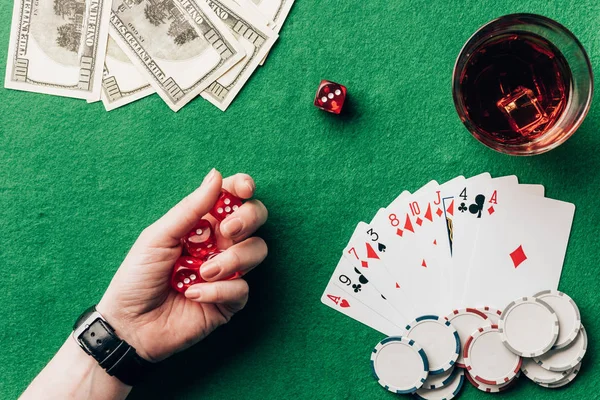
In essence, the reward mechanisms inherent in casino gambling are carefully engineered to exploit these psychological tendencies. Casinos utilize techniques such as variable reinforcement schedules, where wins occur unpredictably, to keep players engaged. This psychological manipulation ensures that players stay longer and gamble more, creating not just a fleeting moment of exhilaration but a sustained engagement that casinos rely on for profitability. The role of these reward mechanisms cannot be understated, as they are central to the attraction of casino gambling.
The Social Environment of Gambling
The social dynamics of gambling contribute significantly to its psychological appeal. Casinos are designed to facilitate social interaction, creating a sense of community among players. Many individuals find joy in sharing their experiences, celebrating wins, or commiserating over losses with others. This social engagement can enhance the thrill of gambling, transforming solitary play into a shared adventure. The communal aspect often leads to increased participation, as players are drawn not only to the games but also to the vibrant atmosphere created by fellow gamblers.
Moreover, the presence of friends or companions can influence gambling behavior. Social influences can lead individuals to place higher bets or engage in riskier games, driven by the desire to impress or fit in with a group. The competitive nature of social gambling can escalate the stakes, pushing players to take risks they might not consider when playing alone. The shared experience can amplify emotions, leading to a heightened sense of excitement, potentially blurring the lines between rational decision-making and impulsive behavior.
The design of casinos further enhances this social environment. Casinos often feature open layouts, allowing players to view others engaged in play, thus fostering a sense of camaraderie and competition. Special events, tournaments, and themed nights serve to bring people together, crafting memorable experiences that extend beyond gambling itself. This social factor not only attracts more players but also enhances the overall enjoyment of the gambling experience, cementing its place as a favored pastime for many.
The Impact of Marketing and Design
The marketing strategies employed by casinos are intricately tied to the psychology of gambling. From enticing advertisements that promise big wins to loyalty programs that reward frequent players, casino marketing is designed to lure individuals into the gaming environment. These strategies tap into human desires for wealth, success, and excitement, creating a sense of urgency and allure that is hard to resist. The promise of a life-changing win plays on the fantasies many have, making the prospect of gambling immensely appealing.

Casino design also plays a crucial role in shaping the gambling experience. The absence of clocks, carefully curated lighting, and engaging sounds are all intentional components aimed at disorienting players and prolonging their stay. By creating an environment that feels exciting yet comfortably immersive, casinos can manipulate how time is perceived and how players engage with games. This crafted atmosphere is crucial in ensuring that players remain absorbed, often losing track of time and money spent.
Additionally, casinos utilize psychological pricing strategies, where bets are structured to encourage continuous play. For example, by offering games with low minimum bets, casinos entice new players to join in, while simultaneously exposing them to the potential for larger wins. This delicate balance between accessibility and risk is a cornerstone of the casino business model, ensuring that players feel comfortable while still being pushed towards higher stakes. Overall, the design and marketing of casinos are not merely aesthetics; they are psychological tools shaped to enhance player engagement.
Understanding Your Gambling Habits
Recognizing and understanding your gambling habits is essential in navigating the complex world of casinos. An awareness of personal triggers and emotions can play a significant role in fostering a healthier gambling approach. By reflecting on why you gamble and what emotions drive your participation, you can gain insights into your behavior and its impact on your life. This self-awareness allows you to establish boundaries and prioritize your well-being while enjoying the thrill of gambling.
Moreover, recognizing the signs of problematic gambling is crucial. Patterns such as chasing losses, gambling to escape stress, or feeling a loss of control are red flags that may indicate the need for intervention. Seeking support from friends, family, or professional services can provide valuable guidance in addressing these behaviors. In a world designed to keep players engaged, understanding one’s gambling habits can empower individuals to make informed choices and cultivate a healthier relationship with gaming.
Engaging with resources that promote responsible gambling is also beneficial. Many casinos and gambling organizations offer tools and programs to help players maintain control over their habits. Setting limits on time and money spent, taking breaks, and seeking help when needed are all vital components of responsible gambling. By prioritizing personal well-being, players can enjoy the excitement that casinos offer while safeguarding against the potential pitfalls of gambling addiction. Ultimately, understanding your gambling habits not only enhances your experience but ensures that it remains a form of entertainment rather than a source of stress.








Recent Comments